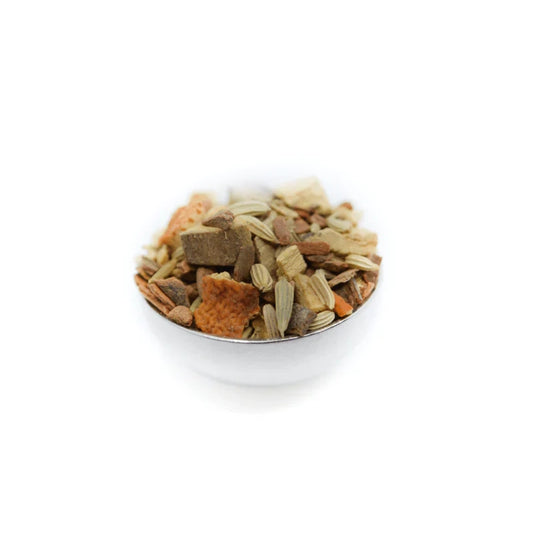
Sweet, warm and gently spicy, cinnamon is one of the world’s most familiar spices. It appears in everything from cinnamon rolls and apple pie to chai, while in Japan a related aromatic spice known as “nikki” has long been associated with traditional sweets such as yatsuhashi and nikki candy.
Cinnamon has a long history in cooking and baking, and its naturally occurring compounds have also been studied in a wide range of nutritional and scientific research.
When searching for information about cinnamon, you may come across terms such as blood sugar, cholesterol, polyphenols and antioxidants. The useful approach is to understand what researchers are actually studying while keeping those findings separate from the everyday use of cinnamon as a food and spice.
In this guide, we look at current areas of cinnamon research, the differences between Ceylon cinnamon and cassia, the history of Japanese nikki, the story behind nikki candy, and practical ways to enjoy cinnamon in tea, food and everyday cooking.
Cinnamon and Nikki Are Close Relatives
Cinnamon and nikki both come from plants belonging to the genus Cinnamomum in the Lauraceae family.
Their aromas share some similarities, but the plant species, parts traditionally used, strength of fragrance and degree of spiciness can differ.
The word “cinnamon” itself can refer to several different species. Two of the best-known types are Ceylon cinnamon and cassia. In Japan, one plant historically associated with the name nikki is Cinnamomum sieboldii.
Rather than focusing only on their differences, this article looks more broadly at cinnamon compounds, varieties, research topics and the distinctive place nikki has held in Japanese food culture.
What Researchers Are Studying About Cinnamon
Cinnamon contains a variety of naturally occurring plant compounds, and research has explored subjects including blood glucose, blood lipids, aromatic compounds and polyphenols.
One important point is that “cinnamon” is not always the same material from one study to another. Researchers may use different species, plant parts, extracts, quantities and study periods.
The U.S. National Center for Complementary and Integrative Health (NCCIH) also notes that the type of cinnamon and the plant material used are important when interpreting cinnamon research.
Research on Cinnamon and Blood Glucose
One of the most widely studied areas is the relationship between cinnamon and blood glucose.
Studies involving people with type 2 diabetes, prediabetes and other groups have examined measures such as fasting blood glucose after cinnamon intake.
Because study populations, cinnamon varieties, quantities and study durations differ, results are best understood in the context of the individual research design.
For everyday use, cinnamon can simply be enjoyed as a fragrant culinary spice while scientific research continues to investigate its naturally occurring compounds.
Research on Cholesterol and Other Blood Lipids
Researchers have also examined cinnamon in relation to blood lipids.
Some studies involving people with type 2 diabetes and other groups have reported changes in measurements such as total cholesterol, LDL cholesterol and triglycerides.
As with blood glucose research, study conditions vary. This makes the subject most useful as an example of an ongoing area of nutritional research rather than as a simple statement about cinnamon as a food.
Cinnamaldehyde: The Compound Behind Cinnamon’s Signature Aroma
One of cinnamon’s most appealing qualities is its unmistakable aroma: sweet, warm and slightly sharp.
Cinnamaldehyde is one of the main aromatic compounds associated with cinnamon and cassia bark oils.
It helps explain why even a small amount of cinnamon can noticeably change the character of a drink, dessert or savoury dish.
Cinnamon is therefore as much about aroma as flavour, especially when used in tea, baking and warm dishes.
Polyphenols and Other Plant Compounds
Cinnamon also contains a range of plant-derived compounds, including polyphenols.
These compounds have been examined in laboratory research, including studies of antioxidant properties.
Learning about the compounds naturally present in foods can add another layer of interest to familiar ingredients. Cinnamon is a good example of a spice that offers far more than aroma alone.
Ceylon Cinnamon vs Cassia: What About Coumarin?
When shopping for cinnamon, you may see names such as “Ceylon cinnamon” and “cassia”.
Both are widely used as cinnamon, but they come from different plants and have differences in aroma, appearance and naturally occurring compounds.
Ceylon Cinnamon
Ceylon cinnamon (Cinnamomum verum) is strongly associated with Sri Lanka and is sometimes called “true cinnamon”.
Its aroma is generally considered delicate, sweet and refined, making it well suited to tea, desserts and baking.
Cassia
Cassia usually has a stronger, bolder and more noticeably spicy aroma than Ceylon cinnamon.
Its more robust character works particularly well when a pronounced cinnamon flavour is wanted in baking or cooking.
A Simple Way to Tell Cinnamon Sticks Apart
Here is a useful cinnamon detail that is easy to spot once you know what to look for.
Ceylon cinnamon sticks are made from thin layers of bark rolled together, creating many fine layers when viewed from the end.
Cassia sticks are generally made from thicker bark and often appear as one or a few thicker curled layers.
Once cinnamon has been ground into powder, visual identification becomes much more difficult, so the product label is the easiest guide when you want a particular variety.
What Is Coumarin?
Coumarin is another naturally occurring aromatic compound associated with cinnamon and several other plants.
The amount varies between cinnamon varieties. Cassia generally contains more coumarin, while Ceylon cinnamon typically contains much lower levels.
Germany’s Federal Institute for Risk Assessment (BfR) notes that people who frequently use large amounts of cinnamon in home cooking may choose Ceylon cinnamon because of its lower coumarin content.
For ordinary cooking and drinks, a small amount of cinnamon is usually enough to provide plenty of aroma. Understanding the differences between varieties simply gives you another way to choose cinnamon according to how you plan to use it.
The History of Japanese Nikki and the Secret of Nikki Candy
Cinnamon may bring European baking or Indian chai to mind, but the word “nikki” often evokes a very different image in Japan: traditional sweets, yatsuhashi and old-fashioned candy.
Nikki also has an interesting history of its own.
Nikki Arrived in Japan During the Edo Period
According to the Pharmaceutical Society of Japan, the plant associated with Japanese nikki, Cinnamomum sieboldii, was introduced to Japan from China during the Kyoho era, between 1716 and 1735.
The name “nikkei” became established in Japan through a fascinating history of naming and classification involving the term traditionally translated as Chinese cinnamon.
In this plant, the root bark was known for a particularly strong aroma and spicy character, and it became associated with the flavouring of Japanese sweets such as yatsuhashi.
Traditional Cinnamomum sieboldii is now far less common in the market than it once was.
That means the familiar flavour of a traditional Japanese sweet can lead back to a surprisingly long botanical and culinary history.
Why Is Nikki Candy So Spicy?
One of the best-known old-fashioned Japanese sweets associated with this flavour is nikki candy.
It usually begins with familiar candy sweetness, followed by a distinctive spicy sensation and an aroma that rises through the nose.
Anyone who tried it for the first time as a child may remember being surprised by just how strong the flavour could be.
Many nikki candies are made from a base of sugar and starch syrup combined with ingredients such as cinnamon-family powders, aromatic oils or flavourings.
Recipes vary between manufacturers, which is why the intensity, sweetness and aroma can differ considerably from one nikki candy to another.
- Traditional varieties with a strong spicy character
- Sweeter styles with a softer balance
- Candies combined with brown sugar
- Varieties that highlight the distinctive cinnamon-family aroma
Trying different brands can therefore reveal just how varied nikki candy can be.
It is also interesting that two very different Japanese sweets—yatsuhashi and nikki candy—can both make use of this same family of warm, spicy aromas.
How to Enjoy Cinnamon in Tea, Food and Everyday Cooking
One of cinnamon’s greatest strengths is how easily a small amount can transform the aroma of an everyday drink or dish.
It works well not only in baking but also with tea, coffee, fruit, dairy foods, curries and slow-cooked dishes.
Cinnamon Powder vs Cinnamon Sticks
The two forms most commonly used at home are cinnamon powder and cinnamon sticks.
Cinnamon powder is convenient because it can be sprinkled directly onto food and drinks.
- Milk tea
- Coffee
- Yoghurt
- Oatmeal
- Toast
- Apples, bananas and other fruit
- Baking
Cinnamon sticks are particularly useful when you want to infuse flavour slowly into a drink or cooked dish.
They can be added to tea, chai-style drinks, warm beverages and slow-cooked recipes to gradually release their aroma.
Cinnamon and Fruit Are a Classic Pairing
Fruit is one of the easiest foods to pair with cinnamon.
Apple and cinnamon are famous partners, but cinnamon also works beautifully with bananas, oranges, pears and many other fruits.
A small sprinkle over sliced fruit or yoghurt can add warmth and depth without turning a simple snack into a complicated recipe.
Adding Cinnamon to Tea
Tea is one of the easiest and most enjoyable ways to use cinnamon.
A small amount added to black tea creates a warm, sweet and spicy aroma.
Add milk for a chai-inspired drink, or combine cinnamon with apple, orange or other fruit-based teas for a more aromatic cup.
Because cinnamon itself has an aroma often associated with sweetness, it can add another layer of character to tea even before any sweetener is added.
With powder, start with a small pinch. With a cinnamon stick, try infusing it with the tea or simply stirring the finished drink with the stick until you find the aroma strength you prefer.
How to Store Cinnamon for Better Aroma
Aroma is one of cinnamon’s defining qualities, so storage is mainly about helping that fragrance last.
- Keep the container tightly sealed
- Store away from direct sunlight
- Avoid hot and humid storage areas
- Buy an amount that suits how often you use it
Ground cinnamon has a larger exposed surface area than whole sticks, so changes in aroma may become noticeable sooner.
Keeping it well sealed and using it while the aroma is still fresh helps you enjoy cinnamon at its best.
Bring the Aroma of Cinnamon and Nikki Into Everyday Food
Cinnamon has been enjoyed around the world for generations in food, drinks and baking.
Varieties such as Ceylon cinnamon and cassia each have their own aroma and composition, while compounds including cinnamaldehyde and polyphenols continue to attract scientific interest.
In Japan, the related tradition of nikki developed its own identity through sweets such as yatsuhashi and nikki candy, adding another fascinating chapter to the story of the Cinnamomum family.
Try adding a small amount of cinnamon to tea or coffee, pairing it with fruit and yoghurt, or using it as a spice in cooking.
Once you begin noticing the differences in aroma, varieties and traditional uses, cinnamon and nikki become much more interesting ingredients to explore.
References
This article provides general information about cinnamon, nikki and other food spices. If you are receiving medical treatment or taking medication and plan to consume cinnamon regularly in amounts beyond normal culinary use, speak with an appropriate healthcare professional.