
What Is Evening Primrose Oil? GLA, Beauty, Women’s Wellness & How to Use It
OBARASOTAROIts yellow flowers open in the evening and quietly close again by morning. From the seeds of this slightly romantic plant comes evening primrose oil.
If you are interested in beauty and wellness, you may already have come across the names “evening primrose oil” or “gamma-linolenic acid (GLA).”
One of the main reasons evening primrose oil has attracted attention for so many years is that it contains the omega-6 fatty acids linoleic acid and gamma-linolenic acid.
GLA in particular is found in relatively few commonly used plant oils in notable amounts, making it one of the components that gives evening primrose oil its distinctive character.
Today, evening primrose oil is used in a variety of ways, including:
- Supplements
- Skincare products
- Body care
- Haircare
It has become a familiar botanical ingredient across the beauty and wellness world.
“What plant does evening primrose oil come from?”
“What exactly is GLA?”
“Why is evening primrose oil so often associated with women?”
“What does research say about skin?”
“How are supplements different from skincare products?”
“What should you look for when adding it to your daily routine?”
In this article, we will answer these questions one by one and explain the basics of evening primrose oil, its fatty acids, its relationship with beauty and women’s life stages, how it is used, how to choose products, and what to know about safety.
What Is Evening Primrose Oil? A Botanical Oil Made from the Seeds of an Evening-Blooming Flower
Evening primrose oil is a plant oil commonly abbreviated as EPO.
It is generally obtained from the seeds of evening primrose species such as Oenothera biennis.
In Japan, it is widely known as “tsukimisou oil” or simply evening primrose oil.
It is worth noting that the Japanese plant name “tsukimisou” and the plants commonly referred to in English as “evening primrose” do not necessarily describe exactly the same botanical species. In beauty and supplement products, however, the Japanese term “tsukimisou oil” generally refers to oil derived from evening primrose seeds.
Evening primrose is native to the Americas, and some species are known for opening their yellow flowers from late afternoon into the evening — the feature that gave rise to the memorable name “Evening Primrose.”
Even the Japanese name evokes the image of a flower enjoyed beneath the evening sky.
A Plant with a Long History of Traditional Use
Evening primrose has a long history of human use.
Various parts of the plant, including its leaves and stems, are known to have been traditionally used by Indigenous peoples of North America.
The plant later spread to Europe, and today the oil extracted from its seeds is recognised around the world as a botanical ingredient used in beauty and wellness products.
The Interesting Part Is Not Just the Flower — It Is the Seed
When we think of beauty oils, it is easy to imagine oils pressed from fruit.
With evening primrose oil, however, the key ingredient is the small seed.
The oil obtained from these seeds is rich in polyunsaturated fatty acids and has a distinctive fatty-acid profile.
And it is this fatty-acid composition that gives evening primrose oil much of its unique character.

Key Components of Evening Primrose Oil | Gamma-Linolenic Acid (GLA) and Linoleic Acid
If you want to understand evening primrose oil, one of the first terms to remember is gamma-linolenic acid (GLA).
The exact fatty-acid composition can vary depending on the plant variety, raw material and manufacturing conditions, but evening primrose oil is generally reported to contain approximately:
- Linoleic acid: around 70–74%
- Gamma-linolenic acid (GLA): around 8–10%
What Is Linoleic Acid?
Linoleic acid is an omega-6 fatty acid.
Because the human body cannot produce enough of it on its own, it is classified as an essential fatty acid and needs to be obtained from the diet.
It is found in many foods, particularly plant oils.
How Is Gamma-Linolenic Acid (GLA) Different?
GLA is also an omega-6 polyunsaturated fatty acid.
Inside the body, some of the linoleic acid obtained from food can be converted by enzymes through the following pathway:
Linoleic Acid → Gamma-Linolenic Acid (GLA) → Dihomo-Gamma-Linolenic Acid (DGLA)
DGLA can then continue through fatty-acid metabolic pathways involved in the production of various biologically active compounds.
In other words, GLA is not simply an unusual botanical component — it is also part of the body’s natural fatty-acid metabolism.
Only Certain Plant Oils Contain Notable Amounts of GLA
GLA is not found in high amounts in every plant oil commonly used in everyday life.
Plant oils known for containing GLA include:
- Evening primrose oil
- Borage oil
- Blackcurrant seed oil
Among these, evening primrose oil has become particularly well known because of its long use in supplements and beauty products.
That slightly unusual fatty-acid profile is one of the most interesting things to know about evening primrose oil.

Why Is Evening Primrose Oil So Popular? Skin, Beauty & Women’s Wellness
One reason evening primrose oil has become so closely associated with beauty and women’s wellness is the long history of research into GLA and its relationship with skin and different stages of women’s lives.
Why Lipids Matter for the Skin
The outermost layer of the skin, the stratum corneum, plays an important role in helping retain moisture while protecting the skin from the surrounding environment.
Lipids are one of the important components involved in maintaining this skin environment.
For this reason, researchers have also studied the relationship between skin and the linoleic acid and GLA found in evening primrose oil.
In a small study involving healthy adults, researchers examined a range of skin parameters after evening primrose oil intake, including skin moisture, transepidermal water loss (TEWL) and elasticity.
Research like this is interesting because it helps us explore how fatty acids may relate to skin condition.
These findings relate to the evening primrose oil used under specific research conditions and do not demonstrate beauty effects from any particular supplement product.
In Skincare, It Is Used as a Plant-Based Oil
Evening primrose oil is also used as an ingredient in cosmetic formulations.
Plant oils are commonly used in skincare to help condition the skin, leave it feeling smooth and support moisture care.
Evening primrose oil may be combined with other moisturising and beauty ingredients as part of a complete cosmetic formulation.
Evening primrose oil used in foods or supplements and evening primrose oil incorporated into skincare products should be understood as different ways of using the same botanical source.
If you would like to include it in your skincare routine, choosing a cosmetic product formulated for skin use and following the product directions is a simple and practical approach.
Why Has Evening Primrose Oil Become So Closely Associated with Women?
Evening primrose oil has also been studied for many years in areas related to women’s life stages, including PMS (premenstrual syndrome) and menopause.
Part of the interest comes from the way GLA participates in fatty-acid metabolism and the pathways involved in producing various biologically active compounds in the body.
Results vary depending on the study design and participants, and research in these areas is continuing.
For this reason, evening primrose oil is better understood not as an ingredient that “increases female hormones,” but as a distinctive plant oil that has long been studied in the field of women’s health.
It may be of particular interest to people who:
“Want to rethink their beauty routine as they get older”
“Prefer to include plant-based ingredients in everyday care”
“Are curious about GLA and fatty acids”
“Want to understand supplement ingredients before choosing them”
For anyone interested in these areas, evening primrose oil is certainly an interesting botanical ingredient to know about.
It Helps to Separate Beauty Care from Medical Treatment
When searching for information about evening primrose oil, you may also come across discussions about conditions such as atopic dermatitis or acne, as well as general dry skin.
Evening primrose oil has been studied in relation to the skin, but everyday beauty and skincare are different from diagnosing or treating a skin condition.
For beauty care, it makes sense to focus first on skincare basics such as moisturising and sun protection while choosing products suited to your skin.
If persistent redness, strong itching, eczema, pain or other concerning symptoms occur, consult a doctor or dermatologist.

How to Include Evening Primrose Oil | Supplements, Skincare & Haircare
One of the appealing things about evening primrose oil is that there is more than one way to use it.
Depending on the purpose, it may be included as:
- A supplement ingredient
- An ingredient in skincare cosmetics
- Part of body care products
- An ingredient in haircare products
Each option offers a different way to incorporate evening primrose oil into everyday beauty and wellness routines.
For Supplements, Look at Both the Evening Primrose Oil Amount and the Overall Formula
The first place to look when choosing a supplement is the ingredient information.
Depending on the product, you may want to check:
- The amount of evening primrose oil
- Whether the GLA content is listed
- What other ingredients are included
- The recommended daily serving
Some products contain evening primrose oil on its own, while others combine it with several different ingredients.
Looking beyond the amount of evening primrose oil and checking what it is combined with can tell you a lot about the character of a supplement.
Deer Placenta with Evening Primrose Oil
For customers looking for a supplement containing evening primrose oil at Brilliant Life Products NZ, HealthLife New Zealand Deer Placenta 10,000mg is one option.
Each capsule contains:
- Deer placenta equivalent to 10,000mg
- Evening primrose oil 288mg
- Avocado oil 100mg
- Marine collagen 10mg
- Natural astaxanthin oil 2mg
It is a multi-ingredient formula combining several different beauty-oriented ingredients.
Evening primrose oil, deer placenta, avocado oil, marine collagen and astaxanthin — all in one capsule.
For people interested in several beauty ingredients but who would rather not choose multiple separate supplements, this type of combination may be a convenient option.
Its main feature is the combination of New Zealand deer placenta with evening primrose oil and several other ingredients in a single formula.
View HealthLife New Zealand Deer Placenta 10,000mg →
For Skincare, Choose a Serum Formulated with Evening Primrose Oil
If you would prefer to enjoy evening primrose oil as part of your daily skincare routine, a cosmetic product containing evening primrose oil is another option.
Brilliant Life Products NZ’s Gold Placenta Serum 50ml also contains evening primrose oil as one of its ingredients.
The serum combines New Zealand sheep placenta with ingredients including:
- Evening primrose oil
- Hydrolysed collagen
- Elastin
- Manuka oil
- Vitamin A
- Vitamin E
As a finished cosmetic product, the serum helps moisturise the skin and leave it feeling smooth, and it can be used as part of the daily care of the face, neck and décolletage.
It is a convenient option for those who would like to include evening primrose oil in a serum together with placenta, collagen and other beauty ingredients.
It can also be an easy way to include a plant oil in skincare without having to prepare and use the oil by itself.
View Gold Placenta Serum 50ml →
For Haircare, Consider Your Hair Type and Preferred Finish
Evening primrose oil may also be found in haircare products.
Haircare formulas usually combine plant oils with conditioning ingredients, emollients, polymers and other components to create the final feel, manageability and finish of the hair.
If you choose a haircare product containing evening primrose oil, consider your hair type, the finish you prefer and the intended purpose of the complete product.

Is Evening Primrose Oil Prone to Oxidation? Tips for Choosing & Storing It
Evening primrose oil contains a high proportion of polyunsaturated fatty acids.
For this reason, it is worth paying attention not only to the ingredients themselves but also to quality control and storage.
Light, Heat and Oxygen
Plant oils gradually oxidise when exposed to factors such as light, heat and oxygen.
For products containing evening primrose oil, basic storage habits include:
- Keeping them away from direct sunlight
- Avoiding high-temperature locations
- Following the product label for storage after opening
- Checking the expiry or best-before date
These simple steps can help keep the product in good condition.
Because storage needs can differ according to the container and formulation, the instructions provided for each individual product should take priority.
What Do “Cold-Pressed,” “Refined” and “Unrefined” Mean?
When looking at plant oils, you may see terms such as “cold-pressed,” “refined” and “unrefined.”
Cold pressing refers to extracting oil from seeds at relatively low temperatures.
Unrefined oils tend to retain more of the plant’s natural colour and aroma, while refined oils may have a milder colour and scent and can be easier to incorporate into finished products.
Rather than assuming that one is always superior, it is more useful to consider whether the oil has been appropriately manufactured and managed for its intended use, whether in food, supplements or cosmetics.
With Supplements, the Combination of Ingredients Can Be Part of the Appeal
When researching an ingredient such as evening primrose oil, it is easy to focus only on that single component.
However, in multi-ingredient supplements, the way ingredients are combined is also part of what makes each product different.
For example, Deer Placenta combines deer placenta with evening primrose oil, avocado oil, marine collagen and astaxanthin.
Some people prefer to focus on one ingredient, while others prefer a formula that combines several ingredients in one product.
Choosing a style that fits comfortably into your routine can be just as important when building a long-term beauty habit.
Evening Primrose Oil Safety & Frequently Asked Questions
How Much Evening Primrose Oil Should You Take Each Day?
Unlike vitamins and minerals with established dietary recommendations, there is no single recommended daily intake of evening primrose oil that applies to everyone.
Research has used a variety of amounts depending on the purpose of the study, but for everyday supplement use, the recommended serving stated on the specific product should be your starting point.
For multi-ingredient supplements, check the entire ingredient list as well as the amount of evening primrose oil.
What Should You Keep in Mind When Taking It Regularly?
Evening primrose oil is generally well tolerated by many adults when used orally.
Some people may experience digestive symptoms such as abdominal discomfort, nausea or diarrhoea.
When including it in your daily routine, follow the product directions and pay attention to how your body responds.
What If You Take Medication?
If you regularly use prescription or over-the-counter medicines, it is sensible to speak with a doctor or pharmacist before starting a new supplement.
This applies not only to evening primrose oil but to supplements generally, especially when several medicines or supplements are being used together.
What About Pregnancy or Breastfeeding?
Evening primrose oil has also been studied in relation to pregnancy and breastfeeding.
However, there are still areas where the available safety data are limited.
If you are pregnant or breastfeeding and would like to use an evening primrose oil supplement, discuss it with a doctor, midwife or other qualified healthcare professional.
Has Evening Primrose Oil Been Studied for PMS and Menopause?
Yes. PMS and menopause are among the areas in which evening primrose oil has been studied in the field of women’s health.
Research has examined GLA, its metabolites and the biologically active compounds associated with fatty-acid metabolism.
Because study results vary, evening primrose oil is currently best understood as one of the botanical ingredients that continues to be researched in relation to women’s life stages.
Daily habits such as balanced nutrition, sleep, physical activity and stress management also remain important parts of women’s overall wellbeing.
Is Evening Primrose Oil Used for Weight Management?
When researching evening primrose oil, you may come across words such as “diet” or “metabolism.”
Evening primrose oil is a plant oil containing fatty acids, so when thinking about body-weight management, the wider picture — including total energy intake, diet, physical activity and sleep — is more useful.
For beauty and wellness, it can be viewed as one possible ingredient to include as part of an overall daily routine rather than something to rely on by itself.
Can Men Use Evening Primrose Oil?
Yes. Evening primrose oil is not an ingredient exclusively for women.
Because it is frequently discussed in women’s health research, it has developed a strong “women’s wellness” image, but it is fundamentally a plant oil containing GLA and can be of interest regardless of gender.
So What Makes Evening Primrose Oil Interesting?
If we had to summarise the appeal of evening primrose oil in one sentence, it would be:
“A plant oil containing the distinctive fatty acid GLA, used across a wide range of applications from supplements to skincare.”
Its yellow flowers open in the evening, and the small seeds contain an oil rich in linoleic acid together with GLA.
That distinctive composition has led to decades of interest in fatty-acid research, beauty, women’s wellness and skincare.
Today, there are several ways to enjoy it:
As an ingredient in supplements chosen as part of a beauty-conscious daily routine.
As evening primrose oil in a serum used to moisturise and condition the skin.
By learning more about GLA and fatty acids and choosing a routine that suits your lifestyle.
For people who like to understand the ingredients behind the products they choose, evening primrose oil becomes more interesting the more you learn about it.
※ This article provides general information about evening primrose oil, gamma-linolenic acid, skincare and supplements. It is not intended to diagnose, treat or prevent disease.
※ Supplements are foods intended to complement the diet. If you take medication, are pregnant or breastfeeding, or are receiving medical treatment, consult an appropriate healthcare professional when necessary.
※ Use cosmetics according to the directions provided with each product. If redness, swelling, itching, irritation or other unusual reactions occur, discontinue use and seek advice from a dermatologist or other appropriate healthcare professional if needed.
References
- National Center for Complementary and Integrative Health (NCCIH). Evening Primrose Oil: Usefulness and Safety.
- Farag MA, et al. Evening primrose oil: a comprehensive review of its bioactives, extraction, analysis, oil quality, therapeutic merits, and safety. Food & Function. 2023.
- Muggli R. Systemic evening primrose oil improves the biophysical skin parameters of healthy adults. International Journal of Cosmetic Science.
- Cochrane. Oral evening primrose oil and borage oil for eczema.
Recommended Products
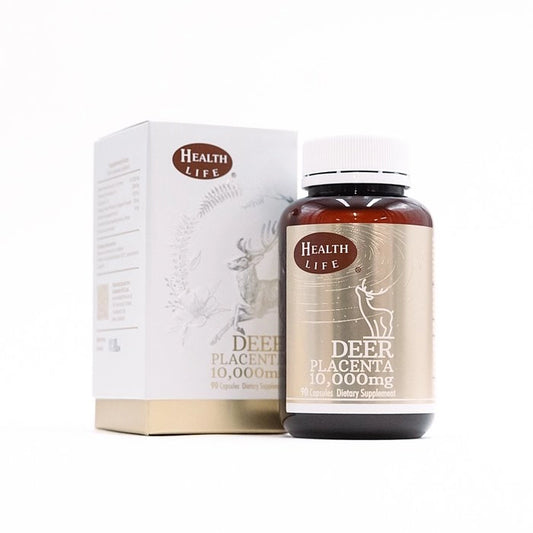
Health Life NZ Deer Placenta Extract (Deer-Derived) 10,000mg

Gold Placenta Serum 50ml | NZ Luxury Skincare – Nature’s Beauty
Limited Special Bundle | Sheep Placenta Supplement + NB Placenta Gold Serum | Beauty Inside & Out Set
Related Articles

Can Fish Oil Improve Your Skin? Discover the Benefits of DHA & EPA for Hydration, Anti-Aging, and Beauty

Healthy Skin Basics: Cleansing, Moisturising, Dryness, UV Care, Bathing & Diet

Menopause in Your 40s & 50s | Symptoms, Self-Care & Sheep Placenta Explained
Latest Articles

Metabolism vs Basal Metabolic Rate: Fat Burning, Age, Muscle & Skin Turnover

What Is Manuka Honey? UMF, MGO, How to Choose & Enjoy
